Best Print on Demand Sites: Questions to Ask First
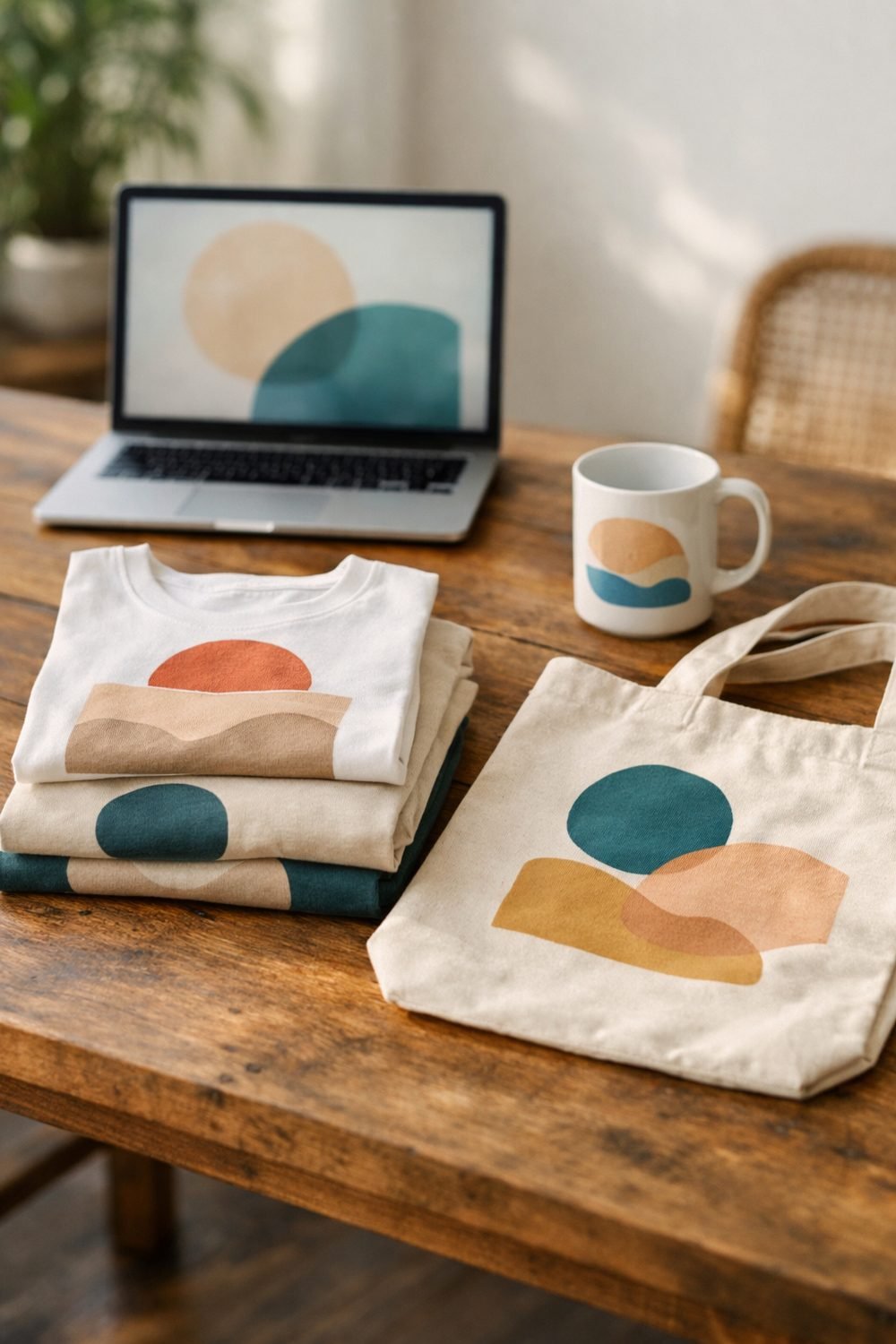
Before you pick from the best print on demand sites, it pays to slow down and ask a few plain questions. It's easy to skip that step the first time. Some people sign up for the first platform they see in a video, upload a dozen designs, and only later find out the shirts they wanted aren't even available in their customers' country.
So this isn't a ranking of print on demand sites. Honestly, the best print on demand service for you depends on what you want to sell and who you're selling to. What I can give you is the list of questions I now ask every time, so you can judge each platform yourself.
Short on time? Our top picks: Printful, Printify, Gelato and Gooten. See all picks
1. Which products can you actually sell?
Most sites offer the usual print on demand products: t-shirts, hoodies, mugs, tote bags, phone cases. That's fine to start. But look closer than the homepage. Some platforms have dozens of shirt styles, while others only carry two or three. If your idea depends on something specific, like embroidered hats or all-over-print leggings, check that it's there before you get attached.
Also check where each product is made. A lot of platforms work with different print partners in different countries, and not every product is printed everywhere. That one detail changes shipping times and costs more than you'd think.
Practical tip: Write down the five print on demand apparel items or other products you'd most like to sell. Then search each platform's catalog for those exact items. If a site is missing two or more, move on.
2. What are the real costs per item (and who is cheapest)?
Every product has a base price. That's what the platform charges you to print and make it. You set your own retail price on top, and the gap is your profit before any other fees. Sounds simple. It isn't always.
Some sites have a free plan and a paid plan, and the paid plan may lower base prices. Your store platform may take its own cut too, and payment processing fees come out on top of that. It's common to price a shirt with what looks like a healthy margin, then realize the profit is almost nothing once shipping and fees come out.
Prices aren't quoted here because they change, so check the current numbers on each seller's page. Just make sure you're looking at the full picture, not only the base price.
Practical tip: Make a tiny spreadsheet. One row per product. Columns for base price, shipping, platform fees, store fees, and your retail price. The last column is what you actually keep. It's boring, and it's the most useful ten minutes you'll spend.
3. How good is the print quality, really?
Mockups always look great. That's their job. The real shirt might have colors that come out duller, a print that cracks after a few washes, or fabric that feels thin. You won't know until you hold it.
Order samples. It costs money, and you may be eager to launch. But one bad review about a faded print can sting more than the price of a sample. When mine showed up, the design was fine, but the blank was scratchier than I expected. Switching to a different shirt brand on the same platform can make the problem go away.
Wash your sample a few times too. Throw it in with your normal laundry. That's what your customers will do.
Practical tip: Many platforms offer sample discounts. Check their help pages before you order at full price.
4. How long does shipping take, and what does it cost?
This is where I see the most complaints. Print on demand means each item is made after someone orders it. So you have production time plus shipping time. Customers used to fast delivery from big retailers may not be thrilled waiting a couple of weeks.
Look for the platform's stated production times and shipping estimates for the countries you care about. If most of your buyers are in one region, a site with a print partner nearby will usually be faster and cheaper to ship. Shipping fees for a second item in the same order matter too, because that affects whether people add more to their cart.
Be upfront on your own store about delivery times. People are surprisingly patient when they know what to expect. They're not patient when they're surprised.
Practical tip: Place your sample order to your own address and note the exact days from order to doorstep. Now you have a real number, not a guess.
If you like keeping your plans and ideas in one visual spot, grab the free Content Creator Vision Board Page when you join the email list.
5. How does it connect to your store?
You'll want orders to flow from your print on demand store to the print site on their own. Most big platforms, such as Printful and Printify, connect with the popular store builders and marketplaces. Some, like Redbubble, also let you open a simple print on demand shop right on their site, which is handy for beginners who are just testing.
Check how syncing works. Does it update your product listings automatically? Does tracking info get sent back to the customer without you lifting a finger? If your setup is clunky, you may end up spending evenings copying tracking numbers by hand. Not fun, and easy to mess up.
Marketplaces are a separate case. Some don't allow certain print-on-demand connections, or they have their own rules for sellers. Read the marketplace's seller policies, not just the print site's promises.
Practical tip: Before you upload a full collection, connect one test product and run a fake order if the platform allows it. Watch where it goes and what the customer would see.
6. What are the content and design rules?
Every platform has a content policy. Read it. It usually covers things like hate speech, adult content, and, a big one, copyrighted or trademarked material. That means no band logos, cartoon characters, sports team names, or famous quotes you don't have the rights to.
Plenty of new sellers think "everyone else is doing it" makes it okay. It doesn't. Accounts and listings get pulled, and that can happen after you've already made sales. If you're unsure whether a phrase or design is protected, it's worth asking someone who knows intellectual property law. A blog post isn't legal advice, so consult a qualified professional for that.
Also check the file rules: image size, resolution, file types, and print area. A design that's too small will print blurry, and that's on you, not the platform.
Practical tip: Keep a simple folder with each design file, where it came from, and any license you bought for fonts or graphics. If a question ever comes up, you'll have answers.
7. Who handles returns and mistakes?
This is easy to leave out, but misprinted batches happen and customers will message you about them. Find out what happens when something arrives damaged, misprinted, or lost. Most platforms will reprint or refund their own errors, but they often won't cover a customer who just ordered the wrong size.
That means you need your own return policy that lines up with the platform's. If the print site won't take a return for sizing, you'll have to decide whether you eat that cost or say no. Either is fine. Just decide before it happens, not in the middle of an annoyed email.
Practical tip: Add a clear size chart to every clothing listing. It can cut down on wrong-size orders more than most other fixes.
A quick word on staying organized
Asking all these questions while building a print on demand business across four or five platforms gets messy fast. If that sounds like you, the Side-Hustle Planner and Checklist Bundle below this post has pages for comparing options and tracking your next steps. It's not magic, but it does keep everything in one place.
And once you have a store, you'll probably want to email past buyers about new designs. The Email-Marketing Tools Buyer's Guide and Comparison Sheets, also below this post, can help you compare tools when you get to that stage. No rush on that one though. Get your products sorted first.
Print on demand sites worth a look
These are well-known platforms that many sellers compare when they start. Treat them as a shortlist to run through the questions above, not a ranking.
Printful
Suits sellers who want a wide product catalog and connections to popular store builders. Check which products are made in which country, since that affects shipping time and cost for your buyers.
Printify
Suits people who like comparing different print partners for the same product. Quality and shipping can vary by partner, so order samples from the one you plan to use.
Gelato
Suits sellers with customers in several countries, since it works with local print partners in many regions. Check that the specific products you want are available near your main buyers.
Gooten
Suits sellers who want another catalog to compare against the big names, including home and decor items. Check its store integrations to make sure your platform is supported.
Redbubble
Suits beginners who would rather upload designs to a marketplace than build their own store. Read its content and intellectual property rules closely, and remember you have less control over the customer experience.
Teespring
Suits creators who want a simple way to sell merch to an existing audience. Check how products, fees and payouts work for your situation before you commit to a design run.
Printify alternatives: Shopify
Shopify is a store builder rather than a print site, but it is a common home for print on demand shops. Check the store plan costs and transaction fees alongside the print site's base prices.
Check current plans and prices on each brand's own site before you decide.
FAQ
Can I use more than one print on demand site?
Yes, a lot of sellers do. You might use one platform for shirts and another for mugs or posters if their quality or prices are better for that item. Just keep track of which product comes from where, so customer questions don't confuse you.
Do I need to pay anything upfront?
Many platforms let you sign up for free and only charge when an order comes in. You'll still likely spend a bit on samples and maybe a store plan. Check each site's pricing page for current details.
Will print on demand make me money?
No one can honestly promise that. Some people make steady sales, and many make very little, especially at first. It depends on your designs, pricing, and how you get people to your store.
How many designs should I start with?
Start small, maybe with a handful of designs you really like on a couple of products. It's easier to order samples, check quality, and learn what sells. You can always add more later.
Here's what I'd do next. Pick two or three platforms, run them through the questions above, and order one sample from your favorite. While you're at it, sign up for the free Content Creator Vision Board Page so your ideas have a home. Then take a look at the planner bundle and email guide below this post if they fit where you are right now.
Printables and tools that can help
Email-Marketing Tools Buyer's Guide and Comparison Sheets
A printable guide and comparison sheets to write down what matters to you before you look at any seller...
See detailsSide-Hustle Planner and Checklist Bundle
A printable bundle with a 30-day goal page, weekly planner and checklists for side-hustle...
See details