Best Dropshipping Products: Beginner Checklist
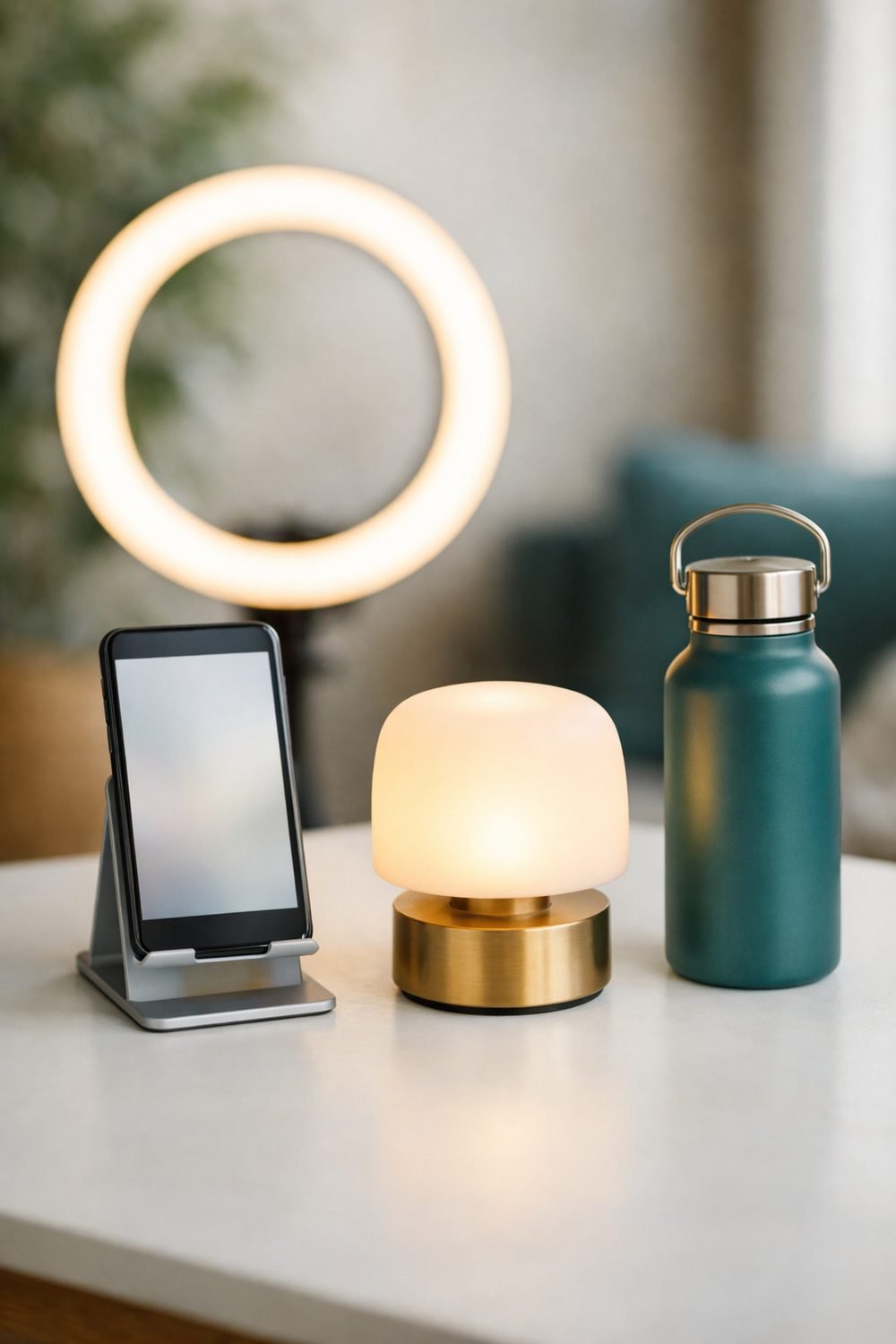
Here is the honest truth. Finding the best dropshipping products is harder than it looks, and the first one I ever tried was a little LED desk lamp that looked great in the supplier photos. When my sample showed up, the switch wobbled and the "warm white" light was more of a sickly blue. You will be glad if you've only spent money on one sample item and not on ads.
That's the whole point of this checklist. Picking a product isn't about finding the "hot" item everyone on video is shouting about, or the most trending dropshipping products of the week. It's about checking a handful of boring things before you put your name on it. Here's a checklist you can use, in the order that makes the most sense to work through it.
Short on time? Our top picks: Shopify, DSers, AliExpress and Spocket. See all picks
1. Order a Sample of Good Dropshipping Products and Use It Like a Customer Would
Photos lie. Not always on purpose, but lighting, editing and good angles can make a cheap item look solid. The only way to know what your buyer will get is to buy one yourself.
When it arrives, don't just look at it. Use it for a few days. Open the packaging the way a customer would and notice how it feels. Is there a smell? Loose threads? Instructions in broken English? Small things like that turn into bad reviews later.
Tip: Order samples from two or three different suppliers for the same product if you can. You'll often find one is clearly better, and the price gap is smaller than you'd expect.
2. Check Real Shipping Times, Not the Hopeful Ones
Suppliers often list a shipping range, and the low end is the number they'd love you to remember. Your customer, though, will remember the day it actually showed up.
Read the supplier's shipping terms carefully. Look for processing time (how long before it even leaves) and the delivery estimate for the countries you plan to sell to. Then compare that with what your sample really took. If the gap is big, believe the sample.
Tip: Write the real delivery time on your product page in plain words. People are a lot calmer about waiting when they knew upfront. Surprises are what make them angry.
3. Work Out Your Margins With Every Cost Included
This is where a lot of beginners fool themselves, and I did too. You see a product cost and a selling price, and the difference looks lovely. Then the other costs show up one by one.
Make a simple list before you decide anything:
- Product cost from the supplier
- Shipping cost to the customer
- Payment processing fees
- Store platform or app fees
- Ad spend per sale (a rough guess is fine at first)
- A little set aside for refunds and replacements
Whatever is left is your real margin, and it decides which dropshipping products to sell. If that number makes you wince, the product probably isn't worth it, no matter how popular it looks. Fees change, so check each platform's own pricing page, such as Shopify, instead of trusting a number you saw somewhere.
Tip: Keep all of this in one sheet so you can compare products side by side. The Side-Hustle Planner and Checklist Bundle below this post has pages that work well for this if you'd rather not build your own from scratch.
4. Read the Return Policy Before You Need It
Returns are the part nobody wants to think about. But someone will get the wrong size, or a broken item, or just change their mind. You need to know what happens next.
Find out if your supplier accepts returns at all, who pays for the return shipping, and how long you have. Some suppliers only offer a refund or replacement if the customer sends photo proof of damage. Others don't take returns from overseas buyers. Your own store policy has to match what you can actually deliver.
Tip: Pick products where a refund won't wreck you. If one return wipes out the profit from five sales, that's a warning sign. Cheaper, sturdy items are much kinder to beginners.
5. Check Popular Dropshipping Products for Competition and Demand
No competition sounds great until you realize it might mean nobody wants the thing. Lots of competition sounds scary, but popular dropshipping products at least prove people are buying.
Look for the middle. Search for the product on big marketplaces like AliExpress and see if people are leaving reviews. Read the bad reviews especially. They tell you what buyers wish was better, and that's your angle. Maybe you include a better guide, a nicer bundle or clearer sizing info.
Tip: If the only way you'd stand out is by having the lowest price, I'd skip it. Price wars are a fast way to work hard for almost nothing.
Quick side note: if you like planning on paper, the free Content Creator Vision Board Page you get for joining our email list is a nice spot to pin your product ideas and goals in one place.
6. Check the Rules for That Product
Some products come with rules you might not know about. Things that touch skin, like dropshipping beauty products, plus food, kids items, electronics or anything that claims to help your health can have extra requirements depending on where you sell.
Your store platform and payment provider also have their own lists of restricted items. Ad platforms do too, and they can be stricter than you'd think. A product that's fine to sell might still be hard to advertise.
Tip: Read the platform's own policy pages for the item category, and if you're unsure about legal or safety rules in your country, ask someone qualified. Beginners should steer clear of anything with health claims entirely. It's not worth the headache.
7. Think About Size, Weight and Breakability
This one doesn't get talked about enough. Big, heavy or fragile items cost more to ship and break more often. Glass anything is a gamble.
Small, light and tough products are the top dropshipping products for beginners in almost every way. They ship cheaper, arrive in one piece more often, and if you do have to send a replacement, it doesn't hurt as much.
Tip: Drop your sample on a carpet from waist height. Not scientific, I know. But if it cracks, imagine what a delivery truck will do to it.
8. Make Sure You Can Actually Talk About It
You'll be writing product descriptions, answering customer emails and maybe making short videos. That's a lot easier when you understand the product and kind of like it.
Listing a tool you don't really understand can make every customer question feel like a pop quiz. With products you use yourself, the answers tend to come more easily. People can tell the difference, too.
Tip: Try writing three honest sentences about who the product is for and why. If you struggle, the customer will struggle to see the point as well.
9. Plan How You'll Keep in Touch With Buyers
Here's the bit I wish I'd thought about earlier. Most first sales don't make much money. The value often comes from people buying again or telling a friend.
Products that pair well with something else, or that people reorder, give you a reason to email customers later. That's a lot cheaper than finding new buyers every single time.
Tip: Set up a simple email list from day one with a tool like Mailchimp, even if it's tiny. If you're not sure which tool to pick, the Email-Marketing Tools Buyer's Guide and Comparison Sheets below this post lays out the options so you can compare them yourself.
Tools and Platforms Worth a Look
Once you've run a product through the checklist, a few tools can make the next steps easier. Here are some well-known options that suit beginners.
Shopify
A popular store builder for people who want to launch a dropshipping shop without coding. It suits beginners who like a guided setup. Check the transaction and app fees, since they add to your margin math.
DSers
An order management tool that works with AliExpress suppliers. It suits sellers who want to compare suppliers and process orders in bulk. Check which store platforms it connects to and what the plan limits are.
AliExpress
A large marketplace many beginners use to find suppliers and order samples. It suits anyone testing a product on a small budget. Check seller feedback and the real shipping terms for your target countries.
Spocket
A supplier marketplace that highlights suppliers in certain regions, including the US and Europe. It suits sellers who care about faster delivery to those areas. Check each supplier's return policy and processing time before listing anything.
Zendrop
A dropshipping platform with product sourcing and order fulfillment. It suits beginners who want fewer moving parts. Check the plan terms and how it handles returns and refunds.
Google Trends
A free tool for seeing whether interest in a product is steady, seasonal or fading. It suits anyone avoiding one-week fads. Check that the search terms match what buyers would really type.
Mailchimp
A well-known email marketing platform with options for small lists. It suits sellers who want to stay in touch with buyers from day one. Check list size limits and which features sit behind paid plans.
Please check current plans and prices on each brand's own site before you decide.
FAQ
Do I really need to order a sample every time?
For anything new to you, yes, I'd say so. A sample costs a little, while a bad product can cost you refunds, reviews and ad money. Once you trust a supplier, you can relax a bit on small variations.
How many products should a beginner start with?
Start small, with just one or a few closely related items. That way you can learn how shipping, returns and customer questions really work without being buried. You can always add more once things feel steady.
What's overrated when picking products?
Chasing whatever is trending this week, including digital dropshipping fads. By the time a product goes viral, lots of sellers are already on it and prices drop fast. Steady, useful products are less exciting but much easier to live with.
Can dropshipping replace my job, or should I sell digital products online?
No one can honestly promise that. Some people make a little, some make more, and plenty make nothing at first. Treat it as a project you test carefully, and keep track of your real numbers.
If you want a simple first step, grab the free Content Creator Vision Board Page by joining the email list, and use it to jot down the products you're considering and what you learn from each sample. Then take a look at the Side-Hustle Planner and Checklist Bundle and the Email-Marketing Tools Buyer's Guide below this post if they suit how you like to work. Start with one product, run it through this checklist, and order that sample.
Printables and tools that can help
Email-Marketing Tools Buyer's Guide and Comparison Sheets
A printable guide and comparison sheets to write down what matters to you before you look at any seller...
See detailsSide-Hustle Planner and Checklist Bundle
A printable bundle with a 30-day goal page, weekly planner and checklists for side-hustle...
See details